All endoscopic procedures at our clinic are billed No-Gap

Nutritional guidance for better gastrointestinal (GI) health
At Southwest Gastroenterology, we offer expert nutritional guidance tailored to your gastrointestinal health needs. Our expert team specialises in comprehensive care for digestive conditions, providing personalised dietary plans to enhance your well-being. Trust our experienced team to help you achieve better digestive health through targeted nutritional strategies.
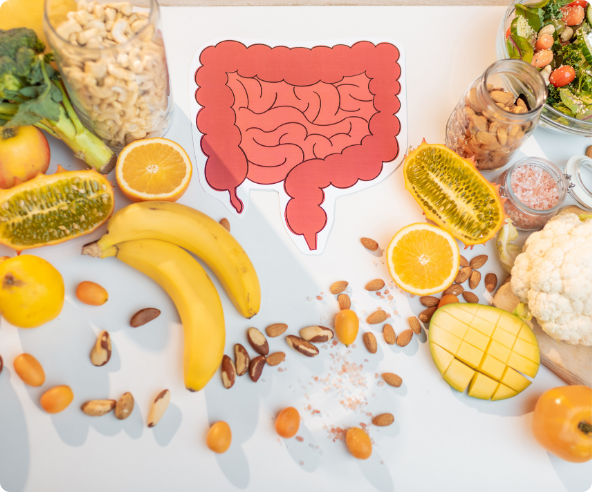
Nutritional guidance
What is the role of nutrition in gastrointestinal health?
Proper nutrition is fundamental to maintaining a healthy gastrointestinal system. A balanced diet rich in fibre, vitamins, and minerals supports optimal digestion and helps prevent common issues such as constipation, bloating, and acid reflux. Nutrient-dense foods can also reduce inflammation and support the healing of the gut lining, which is essential for overall gastrointestinal health.
Incorporating specific foods into your diet, such as probiotics, prebiotics, and anti-inflammatory ingredients, can enhance gut function and strengthen the digestive system. Personalised nutritional strategies play a key role in managing chronic gastrointestinal conditions and promoting long-term well-being.
What common GI health issues can arise from poor nutrition?
Proper nutrition is vital for maintaining gastrointestinal health and preventing digestive problems. An imbalanced diet can lead to a range of gastrointestinal issues, affecting not only digestive function but also overall well-being. Addressing poor nutritional habits is key to managing and alleviating these conditions effectively.
Some of the conditions that could arise from poor nutrition include:
Acid reflux: Caused by the backflow of stomach acids into the oesophagus, often triggered by fatty or spicy foods
Constipation: Resulting from low fibre intake, leading to infrequent or difficult bowel movements
Irritable bowel syndrome (IBS): Affects bowel function and can be exacerbated by foods high in fat or sugar
Inflammatory bowel disease (IBD): Includes conditions like Crohn's disease and ulcerative colitis, which can be aggravated by certain dietary choices
- Gas and bloating: Often caused by consuming high-fibre foods or artificial sweeteners that disrupt digestion

The different kinds of diets
The high-fiber diet
A diet rich in fibre from plant-based foods like fruits, vegetables, whole grains, and legumes. It supports digestive health, promotes regular bowel movements, and can help reduce the risk of various gastrointestinal disorders.
The Low FODMAP diet
Designed to manage symptoms of IBS and other digestive issues, this diet limits foods high in FODMAPs (short-chain carbohydrates), which can be hard to digest. It involves a phased approach to identify and avoid trigger foods.
The Mediterranean diet
This heart-healthy diet emphasises fruits, vegetables, whole grains, nuts, olive oil, fish, and lean proteins. It’s associated with numerous health benefits, including lower risks of heart disease, stroke, and certain cancers.
The high-protein, high-calorie, low-salt diet for cirrhosis
Tailored for individuals with liver cirrhosis, this diet provides ample protein and calories to prevent malnutrition while limiting fat to reduce strain on the liver. It often includes lean proteins and nutrient-dense foods.
How nutrition experts promote better GI health
Nutrition experts play a crucial role in enhancing gastrointestinal health by providing tailored dietary guidance and support. Their expertise helps address specific digestive issues and fosters overall well-being through strategic nutrition interventions.

Personalised dietary plans
Nutrition experts create individualised meal plans that address specific GI conditions, ensuring nutrient balance while avoiding triggers that exacerbate symptoms. This approach helps manage and alleviate digestive problems effectively.

Education on nutrient-rich foods
They educate clients about incorporating nutrient-dense foods such as fibre-rich vegetables, probiotics, and healthy fats into their diets. This education promotes optimal digestion, reduces inflammation, and supports overall gut health.

Management of food sensitivities
Experts help identify and manage food sensitivities or intolerances through elimination diets and reintroduction phases. By pinpointing problematic foods, they help prevent adverse reactions and improve digestive comfort and function.

Preparing for your nutritional consultation
To make the most of your nutritional consultation with a GI expert, start by documenting your dietary habits and any symptoms you experience. Bring a detailed food diary, noting what you eat and drink along with any digestive issues you encounter. You should also prepare a list of any medications or supplements you’re taking and any relevant medical history.
This information helps the expert create a personalised and effective plan to address your gastrointestinal health needs.

Contact Southwest Gastroenterology for expert nutrition guidance
Our experienced team is ready to assist you with expert advice, dietary planning, and management strategies to enhance your digestive well-being.





FAQs
Frequency depends on your needs and goals; it could range from a single consultation to ongoing support.
It depends on your condition, but common recommendations include avoiding high-fat, spicy, or processed foods.
Keep a food diary, monitor your symptoms, and regularly review your dietary plan with your nutrition expert.
Yes, targeted nutritional strategies can help manage and alleviate symptoms of chronic conditions like IBS or IBD.
We provide personalised meal plans tailored to your specific gastrointestinal conditions and health goals.
Where we specialise in gastroenterology services. Our team of experienced doctors is dedicated to providing the highest quality care for all your digestive health needs.
Southwest Gastroenterology
© 2026, Southwest Gastro. All Rights Reserved