All endoscopic procedures at our clinic are billed No-Gap

Our Expertise
Chronic gastrointestinal (GI) condition management
At Southwest Gastroenterology, we specialise in comprehensive gastrointestinal care, offering expert management of chronic conditions. Our dedicated team provides personalised treatment plans to improve your digestive health and overall well-being with compassionate, high-quality care to help you live a healthier, more comfortable life.
Inflammatory bowel disease (IBD)
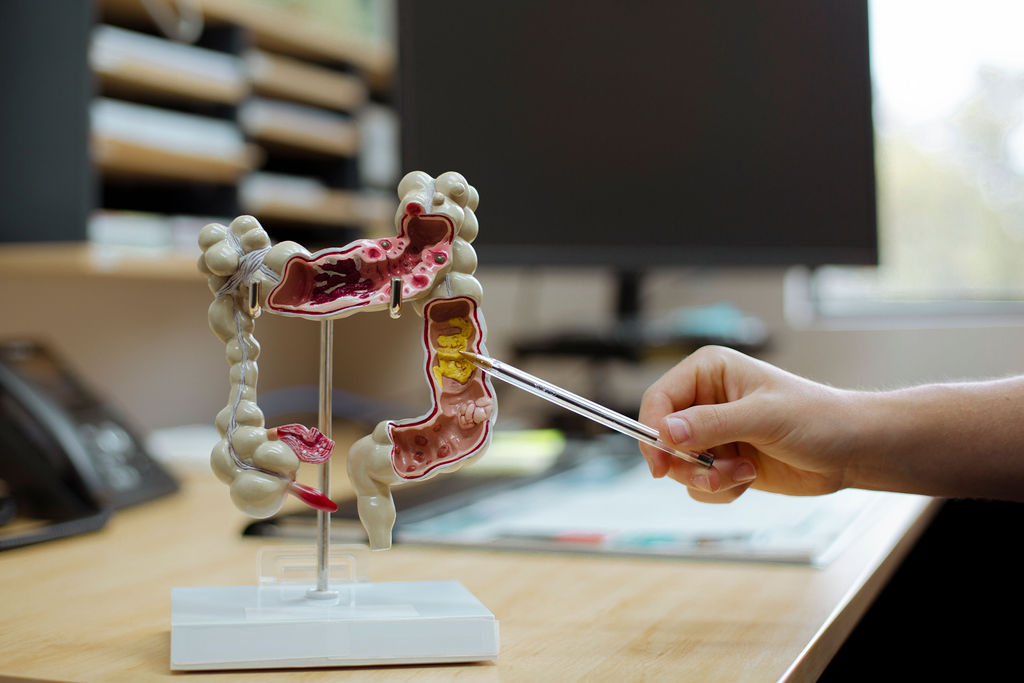
Inflammatory bowel disease (IBD) is a group of disorders that cause inflammation in the digestive system. The two main types are Crohn's disease and Ulcerative Colitis.
Symptoms can often include:
- Abdominal pain
- Diarrhoea
- Gastrointestinal bleeding
- Weight loss
- Fatigue
- Iron deficiency
IBD occurs when the body's immune system inappropriately activates leading to inflammation and damage of the gastrointestinal tract. The exact reason why people develop IBD is not completely understood but it can be triggered by genetics, diet, or stress.
Treatments can help manage symptoms reduce inflammation and aim to prevent complications. In most cases with treatment patients can lead full active lives. For more information, please see our resources page.
Gastroesophageal reflux disease (GORD)
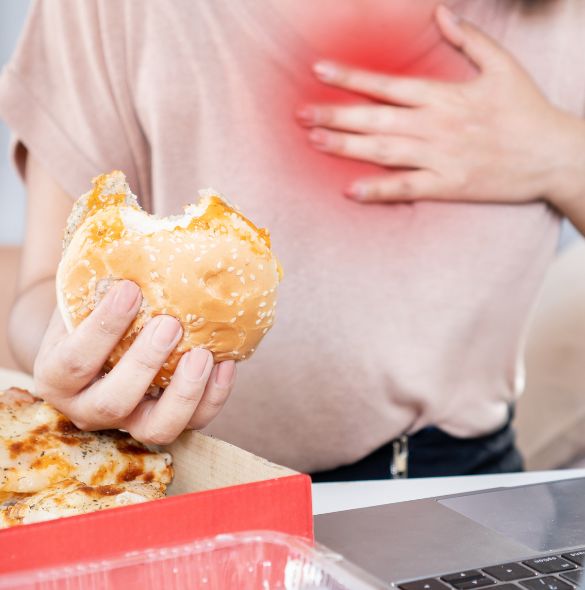
Gastroesophageal reflux disease (GORD) is a chronic condition where stomach acid flows back into the oesophagus.
Common symptoms can include:
- Heartburn
- Chronic cough
- Throat irritation
- Chest or upper abdominal pain
- Regurgitation
GORD is common, affecting about 10-20% of the population. It can occur in people of all ages but is particularly common in adults and becomes more common as we age.
GORD relates to weakness of the lower oesophageal sphincter and can be exacerbated by obesity, pregnancy, smoking, and certain foods or drinks (such as spicy foods, citrus, or caffeine).
Effective management of GORD often involves a combination of lifestyle changes and medications. Very occasionally surgery may be recommended.
Coeliac disease
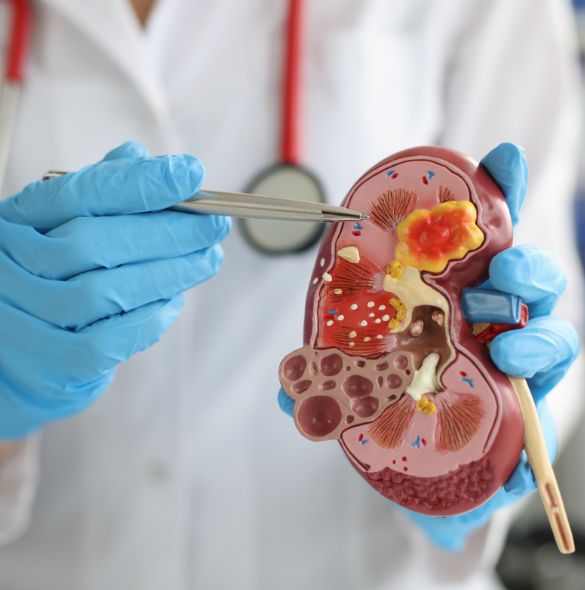
Coeliac disease is an autoimmune condition where the body’s immune system mistakenly attacks the small intestine in response to the consumption of gluten-containing foods (wheat, barley, and rye). Over time this can lead to damage.
Features of coeliac disease can include:
- Diarrhoea
- Fatigue
- Weight loss
- Skin rashes
- Iron deficiency anaemia
Coeliac disease affects about 1 in 100 people with many remaining undiagnosed. Diagnosis usually involves a combination of blood tests and an upper endoscopy with biopsies of the intestine.
Treatment requires a strict, lifelong gluten-free diet to prevent small intestinal damage. For information about a gluten-free diet please see our resources page which has a link to Coeliac Australia.
Irritable Bowel Syndrome (IBS)
Irritable Bowel Syndrome (IBS) is a chronic functional digestive disorder where the intestines become overly sensitive, leading to discomfort and pain.
Common symptoms include:
- Abdominal pain or cramps
- Bloating
- Gas
- Diarrhoea (loose stools) or constipation (hard stools)
- Changes in bowel habit
IBS is common, affecting around 10-15% of people. The exact cause of IBS is unknown, but the condition may be linked to diet, stress, changes in gut microbiome or previous gastrointestinal infections.
Although not dangerous IBS can significantly impact daily life and overall well-being. It is one of the most common reasons a patient may be referred to see a gastroenterologist.
Symptoms of IBS can worsen due to stress and anxiety, certain foods, hormonal changes or a lack of physical activity. Patients with other gastrointestinal conditions are at increased risk of developing IBS.
Management of IBS involves a combination approach including diet change, stress management, exercise and relaxation techniques. Certain medications can also be used to help relieve symptoms. For more information, please discuss with our specialists.

Haemorrhoids
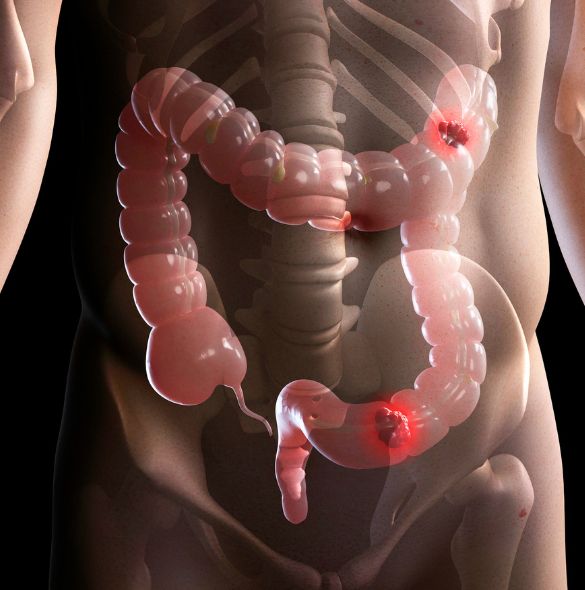
Haemorrhoids are swollen veins in the lower rectum and anus, similar to varicose veins. They can develop inside the rectum (internal haemorrhoids) or under the skin around the anus (external haemorrhoids).
Common symptoms:
- Pain or discomfort around your bottom (especially during bowel movements)
- Itching or irritation
- A swelling or a lump near the anus
- Bright red bleeding during bowel movements or on the toilet paper when wiping
Haemorrhoids occur due to increased pressure in the rectal area, often related to straining during bowel movements or chronic constipation or diarrhoea. Certain other factors can also predispose to haemorrhoids including prolonged sitting, obesity or pregnancy.
Symptoms of haemorrhoids can fluctuate in severity. They may worsen during periods of straining, prolonged sitting, stress, diet changes, or hormonal shifts.
During periods of symptoms, over-the-counter creams or suppositories can be used for relief. Long-term changes to bowel habits and lifestyle changes are the mainstay of treatment. Increasing fibre intake, staying hydrated, and exercising all help reduce recurrence. In more severe cases, procedures like rubber band ligation or surgical removal may be necessary.
Metabolic Dysfunction-Associated Steatotic Liver Disease (MASLD)
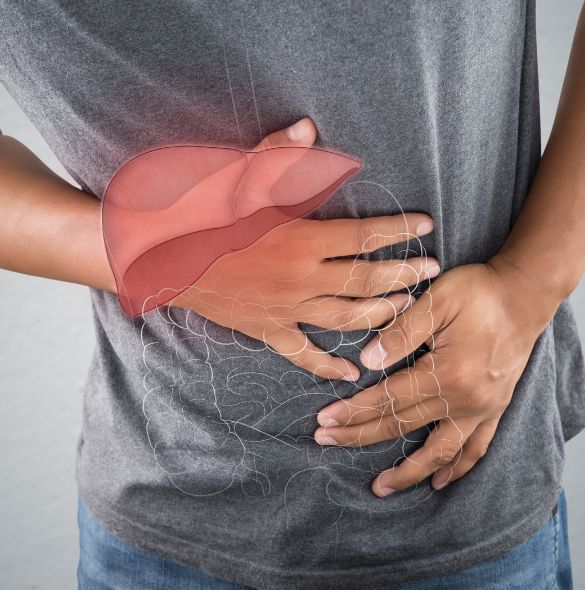
Sometimes called “fatty liver disease”, MASLD is a condition characterised by the inappropriate accumulation of excess fat in the liver. It is often associated with various metabolic diseases such as obesity, type 2 diabetes, and high cholesterol. Over time the excess fat deposits within the liver can lead to liver inflammation, liver cell damage, and even scarring of the liver. MASLD is now the leading cause of cirrhosis in Australia.
Most patients with MASLD will not experience symptoms initially. Diagnosis of MASLD is usually made through a combination of blood tests and imaging studies. If detected early in most MASLD can be reversed with appropriate management.
The key components of MASLD management are:
- Weight loss
- Dietary and lifestyle changes
- Managing related conditions
- Screening for and preventing disease complications
Several of our specialists at Southwest Gastroenterology are actively involved in research into future treatments for MASLD. If you are interested in how we can help, please speak to our friendly team.
Liver cirrhosis
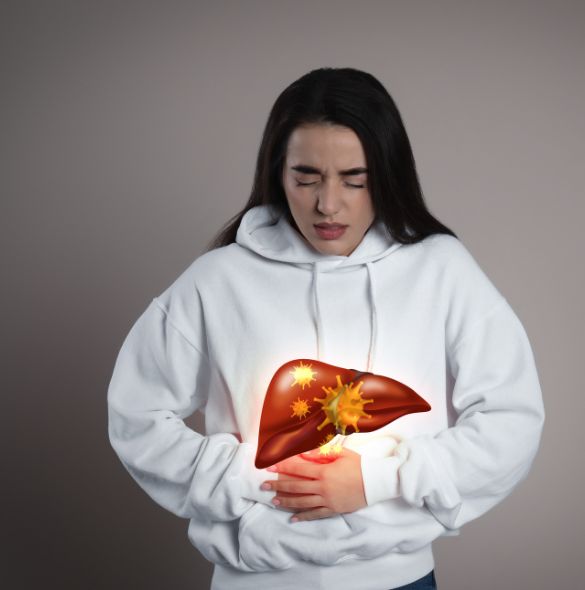
Cirrhosis is a chronic liver condition characterised by irreversible scarring of healthy liver tissue, which leads to impairment of normal liver function. This damage can be due to many different factors including metabolic (fatty) liver disease, heavy alcohol abuse, viral infections, and certain genetic or autoimmune disorders.
In the early stages of cirrhosis patients generally have minimal symptoms. As the disease progresses it can lead to:
- Fatigue or confusion
- Jaundice (yellowing of the skin and eyes)
- Swelling in the legs and abdomen
- Easy bruising or bleeding
- Changes in weight
Cirrhosis affects about 1 in 400 adults and roughly half of all patients with the condition are unaware of the diagnosis. Without proper treatment, cirrhosis can lead to complications such as liver failure, liver cancer and increased risk of death.
Early diagnosis of cirrhosis is important to prevent disease progression and reduce complications. A gastroenterologist plays an important role in diagnosing and managing cirrhosis.
How are chronic GI conditions diagnosed?
Identifying chronic gastrointestinal conditions requires a thorough assessment by healthcare professionals. These conditions often develop gradually, and early detection can help effective management.

Endoscopy
An endoscopy involves inserting a flexible tube with a camera into the digestive tract to visually examine the oesophagus, stomach, and intestines. This allows doctors to detect inflammation, ulcers, or abnormal growths that may indicate a chronic GI condition.

Colonoscopy
A colonoscopy is a procedure where a camera is inserted into the colon and rectum to screen for abnormalities, such as polyps, inflammation, or signs of diseases like Crohn’s or ulcerative colitis. It provides a comprehensive view of the lower digestive tract.

Imaging tests
Techniques like CT scans, MRIs, or ultrasounds create detailed images of the digestive organs. These help detect structural issues, blockages, or inflammation in the GI tract that may be causing chronic symptoms, allowing for accurate diagnosis and treatment planning.

What should you do if you suspect a chronic GI condition?
If you think you may be suffering from a chronic gastrointestinal condition, it’s important to seek medical advice. Start by scheduling a consultation with a healthcare professional who can evaluate your symptoms and recommend tests such as blood work or imaging. Early diagnosis is essential to managing gastrointestinal conditions effectively.
Making lifestyle changes like adjusting your diet and reducing stress can also help alleviate symptoms.

Contact Southwest Gastroenterology for expert GI care
Reach out to Southwest Gastroenterology today to schedule a consultation and take the first step toward better managing your chronic GI condition.





FAQs
Common diagnostic procedures include endoscopy, colonoscopy, and imaging tests like CT scans, MRIs, and ultrasounds. These help identify abnormalities and assist in accurate diagnosis.
Yes, lifestyle modifications such as diet adjustments, stress management, and regular exercise can significantly help manage symptoms of many chronic GI conditions.
Lifestyle changes like eating smaller meals, avoiding trigger foods, and weight management are key strategies in managing GORD.
The only treatment for Coeliac disease is a strict, lifelong gluten-free diet. Avoiding gluten-containing foods like wheat, barley, and rye helps prevent intestinal damage.
While IBS itself doesn't cause permanent damage, it can significantly impact quality of life. Managing symptoms through diet and lifestyle changes can help prevent flare-ups and improve daily comfort.
Make An Appointment
Experience exceptional care
from our dedicated team
Where we specialise in gastroenterology services. Our team of experienced doctors is dedicated to providing the highest quality care for all your digestive health needs.
Southwest Gastroenterology
© 2026, Southwest Gastro. All Rights Reserved