All endoscopic procedures at our clinic are billed No-Gap

Our Expertise
Gastrointestinal care
At Southwest Gastroenterology, we understand that gastrointestinal issues can be distressing and impact your quality of life. That’s why we are committed to providing advanced medical care and the support and understanding you need during these times. Our experienced team is here to guide you through every step of your treatment, offering personalised care plans that prioritise your comfort and wellbeing.
Understanding Gastrointestinal Care
What is gastrointestinal care?
Gastrointestinal care involves a holistic approach to diagnosing, treating, and managing conditions affecting the digestive system. At Southwest Gastroenterology, we believe in treating you as a whole person, not just your symptoms. Our team of specialists is dedicated to providing effective and compassionate care, ensuring that your individual needs are always at the forefront of our treatment plans.
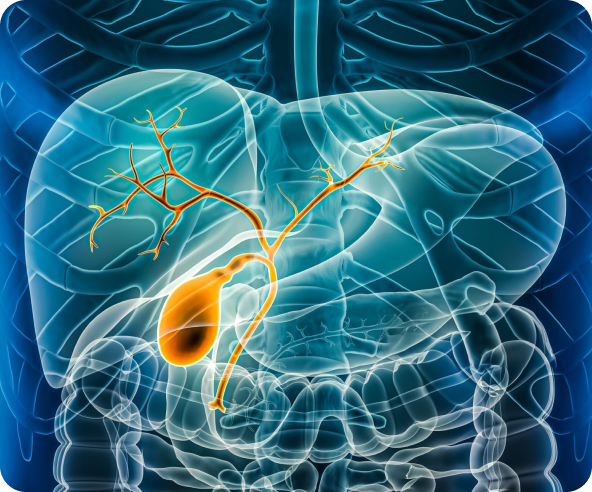
What is gastrointestinal care?
We know that dealing with gastrointestinal conditions can be challenging, both physically and emotionally. At Southwest Gastroenterology, we’re here to help you manage a wide range of conditions with empathy and expertise, including:
- Gastroesophageal Reflux Disease (GORD): A chronic condition where stomach acid frequently flows back into the oesophagus, causingirritation, pain, and digestive discomfort.
- Irritable Bowel Syndrome (IBS): A common chronic disorder affecting the large intestine, leading to cramping, abdominal pain, bloating, gas, and changes in bowel habits.
- Inflammatory Bowel Disease (IBD): Chronic inflammation of the digestive tract, including conditions like Crohn’s disease and ulcerative colitis, leading to digestive issues.
- Liver diseases: Chronic conditions like hepatitis, fatty liver disease, and cirrhosis impact the liver’s ability to detoxify, digest fats, and produce proteins.
- Pancreatic disorders: Conditions including pancreatitis and pancreatic cancer that affect the pancreas’ ability to produce enzymes and the necessary hormones.
How do we approach gastrointestinal care?
At Southwest Gastroenterology, we believe that compassionate care begins with truly understanding our patients. Our approach is designed to be thorough and empathetic, ensuring that you feel supported at every stage:

Step 1:
Initial consultation and assessment
Your care starts with an in-depth consultation where we listen to your concerns, review your medical history, and discuss your symptoms. We understand that talking about digestive issues can be uncomfortable, so we strive to create a safe and respectful environment where you feel heard and valued.

Step 2:
Diagnostic testing
Our diagnostic process is designed to be as stress-free as possible. Using state-of-the-art tools like endoscopy and colonoscopy, we gather all the necessary information needed to diagnose your condition and create a personalised care plan, all while keeping your comfort and wellbeing in mind.

Step 3:
Personalised treatment plan
Once we have a clear diagnosis, we work with you to develop a personalised treatment plan. Whether your care involves medication, lifestyle changes, or surgical intervention, we’ll be with you every step of the way, providing the support you need to feel confident and cared for throughout your treatment.

How can you prepare for your visit?
Before your consultation, you should:
- Document your symptoms: Keep a record of your symptoms, noting their frequency and severity, to help your doctor better understand your condition
- Bring a list of medications: Include all current medications, vitamins, and supplements
- Follow any dietary instructions: Depending on the required tests, you may need to follow specific dietary restrictions or fasting. Your doctor will provide you with detailed instructions before your visit

Contact Southwest Gastroenterology and take control
of your digestive health
Learn more about how our comprehensive gastrointestinal care can help you manage your digestive health. Visit Southwest Gastroenterology today to schedule your consultation.





FAQs
Symptoms such as abdominal pain, bloating, constipation, diarrhoea, heartburn, and nausea are common. If these symptoms persist, it’s essential to seek medical advice.
Diagnosis typically involves a combination of patient history, physical examination, and diagnostic tests such as endoscopy, colonoscopy, and imaging studies.
Surgery is not always necessary for gastrointestinal conditions. Many conditions can be managed with medication, lifestyle changes, and other non-invasive treatments. Surgery is only considered when these options are insufficient or the condition is severe.
Maintaining good gastrointestinal health involves a healthy diet, regular physical activity, managing stress, and having regular check-ups with your healthcare provider.
Where we specialise in gastroenterology services. Our team of experienced doctors is dedicated to providing the highest quality care for all your digestive health needs.
Southwest Gastroenterology
© 2026, Southwest Gastro. All Rights Reserved